
Owner guide
What does OPEX mean in short-stay property management?
OPEX means the operating expenses required to run a unit for paying guests. The exact items vary by property, bookings and agreement.
Published by Neststay
Short answer
OPEX means operating expenses: the money spent running the rental. Think of washing bedding after a stay, paying the electricity bill or replacing guest supplies. Platform charges, cleaning, laundry, software and minor maintenance may also count, depending on the property and agreement. It is a cost list to understand, not an extra mystery fee.
How does this apply to your property?
Tell us the building, size and furnishing condition. Let’s discuss the options for your unit, not just a general example.
Talk about my unitCommon booking-related costs
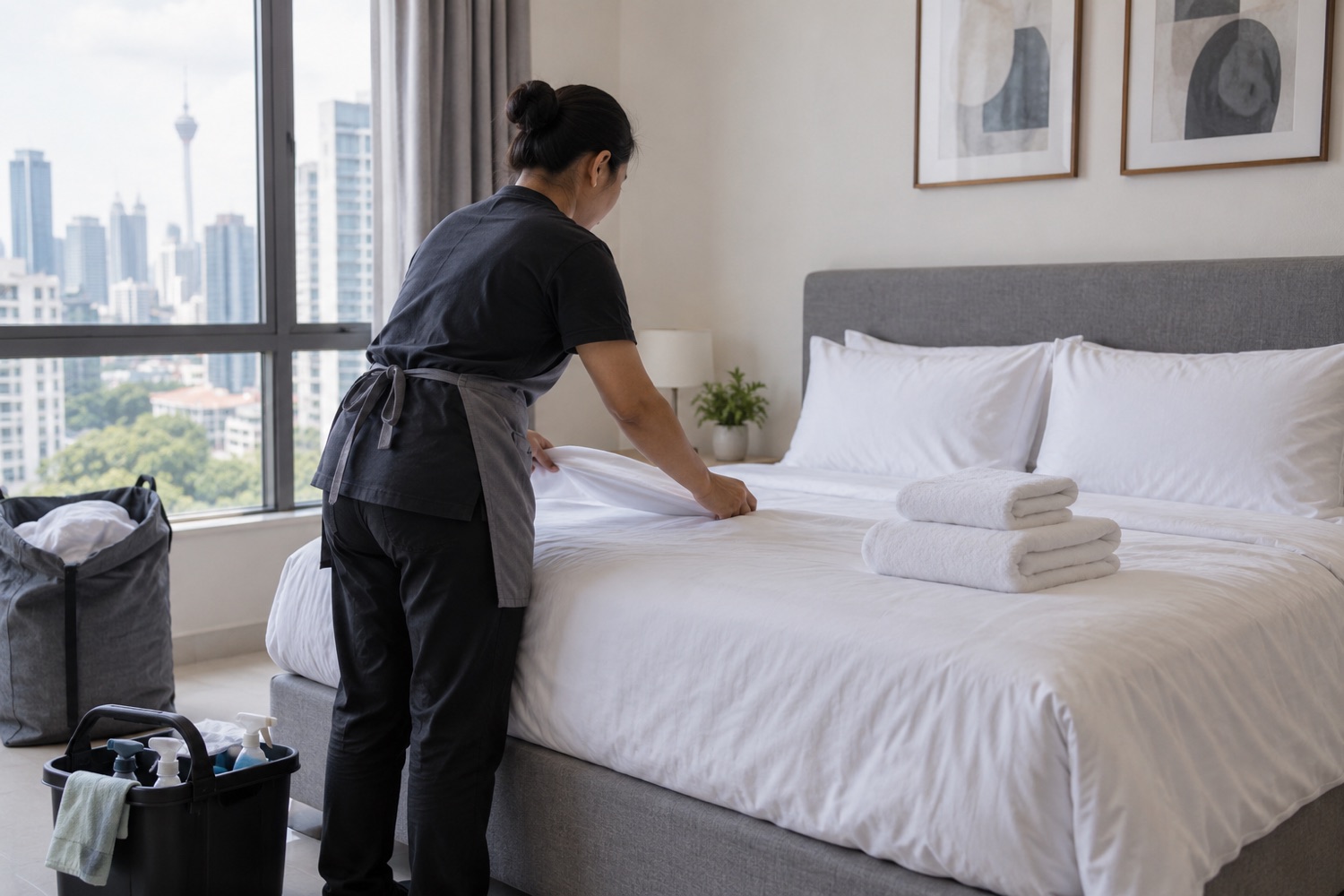
A guest checks out. Someone washes the bedding, cleans the room and replaces the supplies used during the stay. The booking may also have platform or payment charges. Those jobs help explain why revenue is not the same as the amount left for the owner.
These costs can change with booking activity. The proposal or agreement should say how each applicable item is charged, rather than leaving OPEX as one unexplained word on the statement.
Costs that may continue in quiet periods
Now take a quieter week with no arrivals. The internet connection may still be active, and some utilities, subscriptions, servicing or upkeep may still need paying.
That is why a month with fewer bookings does not necessarily have no operating costs. Separate the charges that follow each stay from the ones that continue for your particular arrangement.
Possible operating expenses
- Platform charges and booking costs
- Cleaning, laundry and guest supplies
- Agreed utilities and maintenance
Check separately
- Your loan and tax obligations
- Building charges and other holding costs
- Furnishing purchases and authorised deductions
Examples, not a fixed cost schedule. Confirm who bears each bill, where it appears and whether it has already been deducted.
Repairs and exceptional expenses
Replacing a small worn part and buying a new appliance are different spending decisions. Minor maintenance may fall within agreed operating costs; a larger replacement or improvement may need separate approval.
Discuss the spending threshold and approval process before the first job. You can let someone coordinate the visit without giving open-ended permission to spend.
Why OPEX changes owner income
When you read a booking total, follow the calculation through the applicable costs and the agreed management fee or distribution. That is how you reach the owner amount under the chosen model.
Different arrangements can use different calculation bases. Keep the relevant proposal beside the statement until the steps make sense. For the COVE programme, the specific pool explanation below remains separate from general operating-cost guidance.
Questions owners often ask
Does every OPEX item apply every month?+
No. Some costs depend on bookings or actual maintenance needs. The final included items and amounts depend on the unit, situation and signed agreement.
Is furnishing part of OPEX?+
Initial furnishing is normally treated separately from day-to-day operating expenses, but the final treatment depends on the confirmed package and agreement.
How does COVE’s owners’ distributable pool work?+
Gross rental revenue less applicable OPEX forms net rental revenue. After the 25% operator allocation, 75% becomes the owners’ distributable pool. Each day, eligible units share that pool by their net purchase price proportion among units participating that day. The monthly owner allocation is the sum of eligible daily allocations, before the maintenance reserve of about RM167 and any authorised furnishing deductions. Payment is made by the 25th of the following month. The payout is not final personal profit after property holding costs, financing or personal taxes.
What to send a property manager
For an initial assessment, prepare the building name, location, built-up size, bedroom and bathroom count, furnishing status, current rental arrangement and your preferred outcome.
Planning this with someone?